



 July 22, 2026
  No Comments
 Last week’s column explored a reality that many communications professionals know all too well. Sometimes journalists simply do not attend your event, and that is not always a reflection of the communications team’s effort. Newsrooms are smaller, journalists cover multiple platforms, editorial priorities shift quickly and commercial realities influence how resources are deployed.
There is, however, another question that organisations should ask before concluding that media relations has failed.
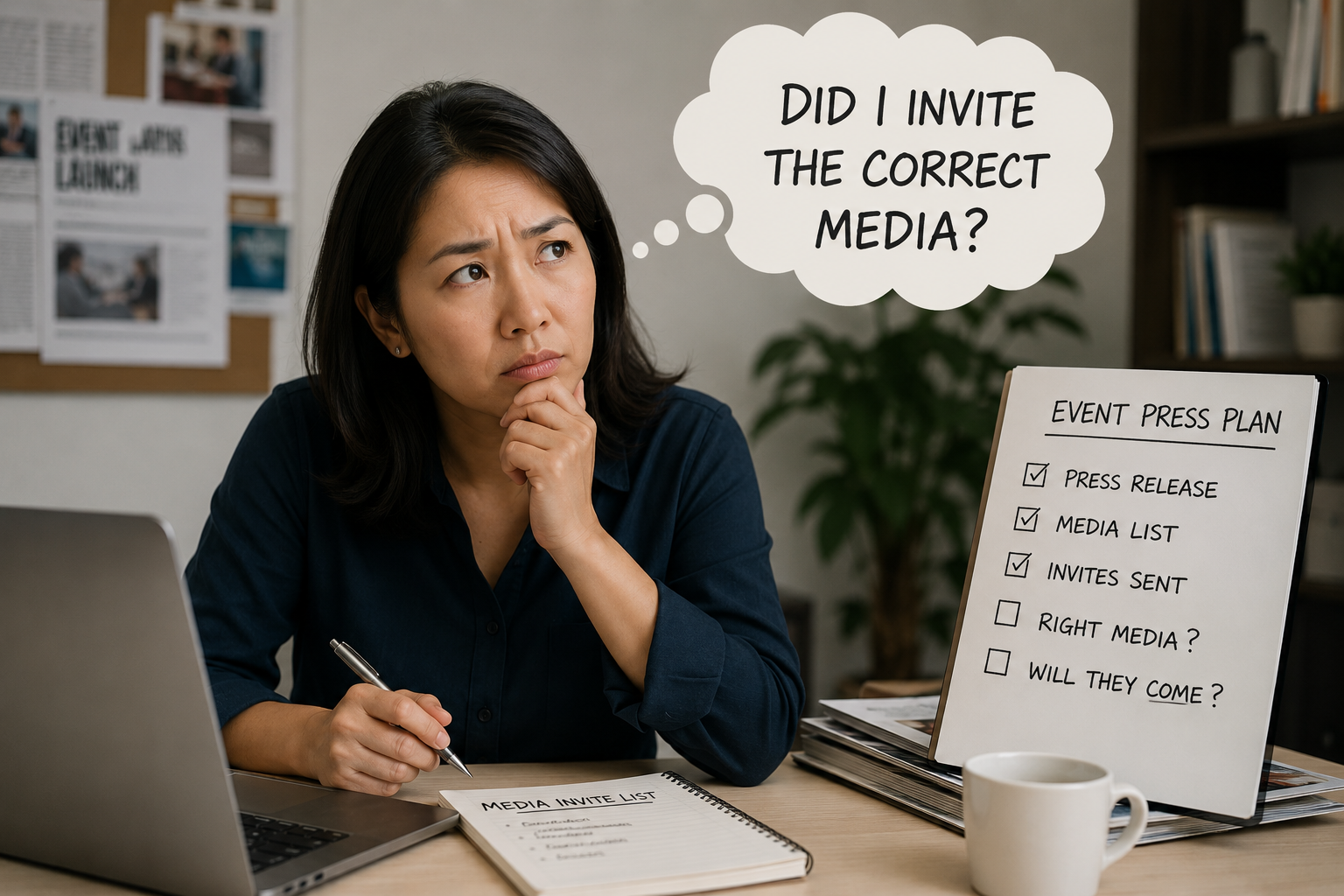
Did we invite the right media in the first place?
Many organisations continue to judge the success of media outreach by the number of mainstream publications on the invitation list. A long distribution list often creates the impression that the communications effort is comprehensive. Yet a longer list does not necessarily lead to better outcomes. In many cases, organisations are measuring the number of invitations sent rather than the likelihood of reaching the audience that matters most.
Mainstream media serves an important role in society. It informs the general public about issues that have broad national interest. Editors make daily decisions based on what affects the largest possible audience, whether those topics involve public policy, the economy, national security, consumer issues or significant corporate developments.
This editorial responsibility also means that competition for space is intense. Hundreds of announcements compete every day for limited pages, airtime and digital prominence. Unless an event has implications for the wider Malaysian public or introduces something genuinely significant, it may struggle to secure coverage regardless of how professionally the invitation was prepared.
This does not mean the story lacks value. It simply means the story may be better suited for a different audience.
Communications professionals sometimes become preoccupied with audience size. Larger publications naturally appear more attractive because they reach millions of readers. However, communications is not only about reaching more people. It is about reaching the right people.
Research consistently shows that audiences are more engaged when content closely matches their interests. Studies published in the Journal of Advertising Research have found that contextual relevance improves audience attention, message recall and advertising effectiveness. The same principle applies to editorial content. Readers actively choose specialist publications because they expect deeper and more relevant information about subjects they care about.
If a company launches a new manufacturing technology, agricultural innovation or cybersecurity solution, the people most likely to appreciate its value are often already reading industry specific publications rather than general news platforms.
Specialist media also offers another important advantage. Its audiences tend to trust its expertise.
The 2024 Edelman Trust Barometer found that people continue to place significant value on credible subject matter experts when evaluating information. Specialist publications often develop that credibility by focusing on a single industry over many years. Their journalists understand technical language, industry regulations, market trends and emerging issues that general assignment reporters may not have the opportunity to cover in depth.
As a result, coverage in niche media often goes beyond announcing an event. It is more likely to explain why the development matters, how it affects the industry and what implications it has for businesses or professionals. That additional context can create far greater influence among decision makers than a brief mention in a general news report.
Another advantage of niche media lies in audience quality rather than audience quantity.
Many specialist publications attract readers who influence purchasing decisions, investment choices, partnerships and policy discussions within their respective sectors. Marketing research has long demonstrated that business audiences value trusted trade publications during complex purchasing journeys because they seek detailed information before making high value decisions.
This aligns with the concept of targeted communication. Instead of broadcasting one message to everyone, organisations deliver information to people who are already interested, knowledgeable and in a position to act. For many organisations, particularly those operating in business to business markets, this audience is ultimately more valuable than reaching a much larger but less relevant readership.
The purpose of media relations has never been to accumulate media logos on an event backdrop or compile attendance statistics. Its purpose is to communicate with stakeholders who matter to the organisation.
For some companies, mainstream media will remain the right choice because their announcements affect consumers nationwide. For others, industry publications, professional associations, trade journals, regional business media or sector specific digital platforms may generate far greater impact because they reach precisely the audience the organisation hopes to influence.
The question therefore shifts from asking, “How many media outlets did we invite?” to asking, “Which media outlets are trusted by the audience we want to reach?”
That is a more strategic question, and one that reflects how communications has evolved.
Choosing media should not begin with circulation figures or brand recognition. It should begin with audience relevance, editorial alignment and communication objectives. When those three elements come together, organisations often discover that meaningful influence comes not from speaking to everyone, but from speaking to the people who are most ready to listen.

© 2026 Write Right Communications. All Rights Reserved.